17 sites · 5 subjects · nothing to sign up for
Seventeen sites, one subject each.
Every subject gets its own place to live: a pattern library, an incident runbook, field notes from the pager, a weekly briefing, a bench of small tools — plus a few essays about maps, minds, and reading that have nothing to do with AI. Free to read, nothing to install, and each one keeps its own hours.

















Design and patterns
How the systems get put together, named, and argued for. 4 sites
-
Flagship · synthesis
Applied AI Engineering
The hub that ties the rest together: where the patterns surfacing across the other sites add up to a strategic argument, not another failure list.
-
Reference · pattern language
Production AI Patterns
Named, reusable patterns for the decisions that decide whether an AI system survives real traffic: context, cost, reliability, observability, and security.
-
Guide · agent systems
Agentic Engineering
Orchestration, context isolation, tool use, and the harness that holds an agent together — narrower and more diagnostic than the pattern library.
-
Reading list · curated
Awesome AI Architecture
A map of AI infrastructure tooling, organised by the failure mode each tool addresses, with explicit exclusion criteria instead of a link dump.



Production and operations
What the pager, the customer site, and the ten-thousandth user teach you. 4 sites
-
Case studies · cost anatomy
Scaling AI Systems
What breaks between the pilot and the ten-thousandth user — boundary problems, spend curves, and the failures that only turn up at real scale.
-
Reference · incident procedures
The AI Runbook
Symptom, immediate action, diagnosis, fix, prevention. Step-by-step procedures written to be read mid-incident, at three in the morning, under pressure.
-
Dispatches · on call
AI Ops Field Notes
Short, sharp incident dispatches from AI systems in production — war-story shaped, with no lessons-learned headers.
-
Field notes · deployment
FDE Field Notes
Discovery, scoping, customer judgment calls, and the skill nobody puts in the job posting for forward-deployed engineers.




Keeping up
Briefings, benches, and a library you can come back to. 3 sites
-
Briefing · weekly archive
Agentic Infra Weekly
A weekly read on production agentic systems, infrastructure, and reliability, with each issue built around one reframe worth remembering.
-
Workbench · 24 tools
Systems Bench
Single-purpose, client-side tools for agent harnesses, loops, workflows, evals, cost, safety, and observability. No accounts, no telemetry.
-
Library · long reads
AI Systems Articles
Deep, practical articles on context engineering, context orchestration, and verifiability and governance for autonomous systems.



Reading and attention
How we take things in, when everything is designed to interrupt. 2 sites
-
Tool · single file
Aura Reader
A reading desk that turns long-form text into deep work: quiet-eye isolation, an optokinetic pacer, and the rest of the internet switched off.
-
Essays · signal wire
The Last Interface
Control, permission, and autonomy in future software — transmissions read as they arrive on a wire, instead of filed away into a grid.


Minds, maps, and the wider argument
Where the AI work meets history, attention, and where we all come from. 4 sites
-
Interactive essays · evergreen
Cognitio Viva
Living cognition: animated, interactive essays engineered against the neuroscience of attention, memory, and agency.
-
Essays · culture and history
Cogitatio Elegans
An evolving set of essays on human evolution, technological leverage, scientific discovery, and the mirrors history holds up to now.
-
Data essay · interactive
One Origin
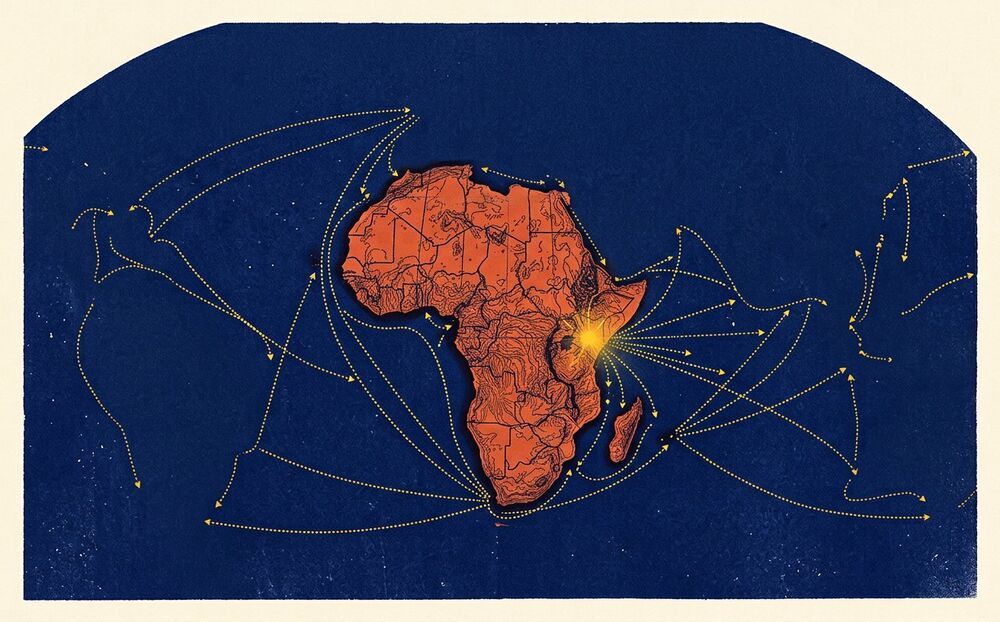
The true size of Africa, why a 1569 sailing map still shapes how the world looks, and the three-hundred-thousand-year line that connects every reader to one place.
Visit site Live site only
-
Field guide · interactive
Apex AI Consumer Index
An interactive read on the consumer AI market: adoption, spend, who is actually winning, and the gap between foot traffic and full cash registers.

How these are made
Same rules as the rest of this site: hand-written HTML, CSS, and a little JavaScript, no build step and no framework. They work without JavaScript, follow your light or dark setting, keep no accounts, and don’t track you. Each one lives in its own repository, so the source link on any card takes you straight to the code.
If one of them is useful — or hard to read on your device — I’d like to hear about it. The contact links are on the homepage.